Call Me
+86-21-50125451
Search
CN

Email
tinali02@126.com
Design selection is guided by five key factors — STAMP: Size, Temperature, Application, Media, and Pressure.
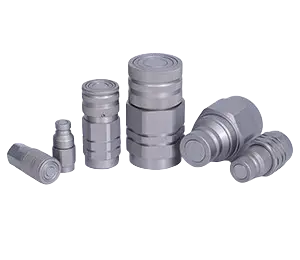
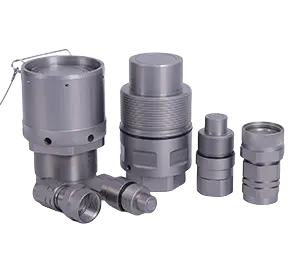
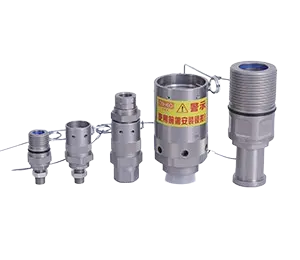
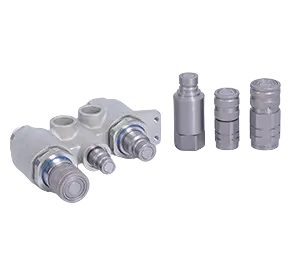
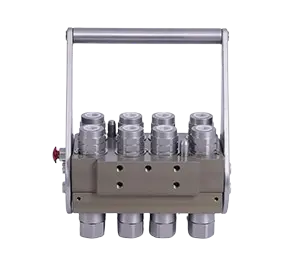
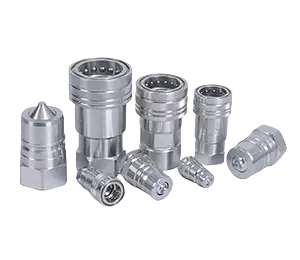
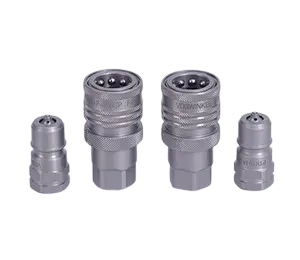
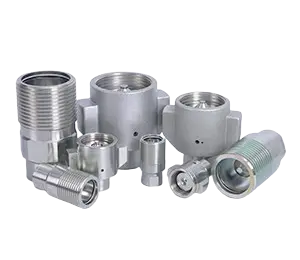
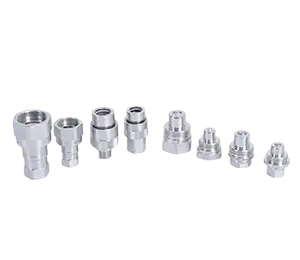
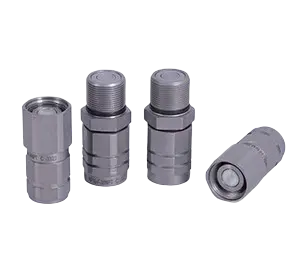
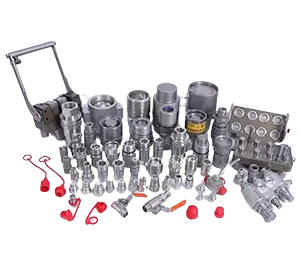
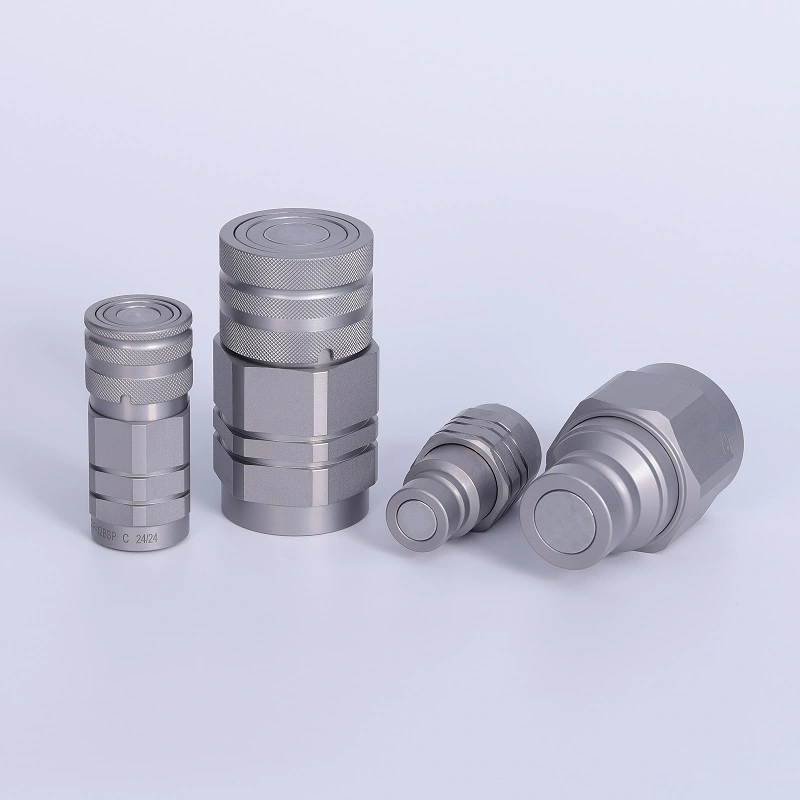
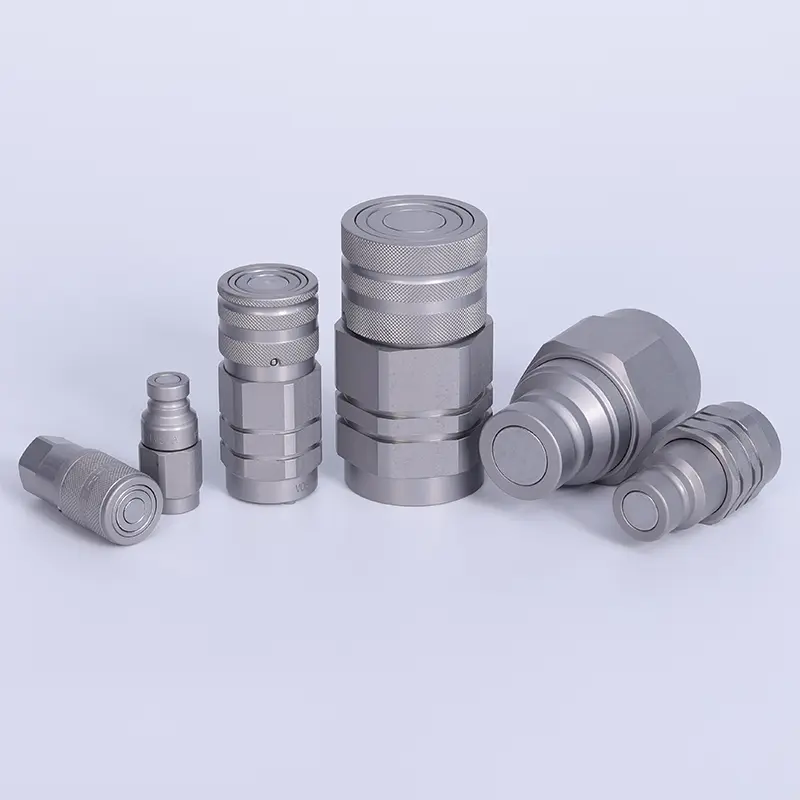
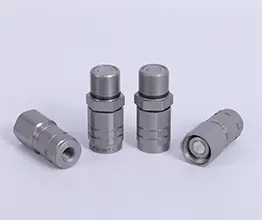
When exploring types of quick release couplings, hydraulic systems demand specialized solutions. The hydraulic quick-connect coupling stands as the gold standard for high-pressure fluid transfer, offering secure, leak-free connections that withstand extreme conditions. Partnering with reputable and reliable hydraulic quick-release coupling manufacturers is critical for system performance and safety.
Choose the coupling size according to system flow, installation envelope, and line dimensions. One side must match the port or mounting face thread type/standard; the other side must mate correctly with the coupling counterpart.
Consider both fluid temperature and ambient temperature. These determine seal material choice—standard nitrile, low-temperature or high-temperature compounds. Temperature can also create system back pressure, influencing whether a coupling with an integrated pressure-relief feature is required.
Clarify functional requirements: dynamic or static service, connect/disconnect under pressure, standard or proprietary interchangeability, color/geometry coding to prevent misconnection, and measures to minimize air inclusion or fluid loss during operation.
Fluid dictates body and seal materials. Carbon steel with nitrile seals is common for general use; brass or stainless steel suits water or humid environments; fluorocarbon seals suit high temperatures; EPDM suits low temperatures or phosphate-ester fluids; polyurethane handles high pressure and abrasion; POM is selected for strong acids/bases.
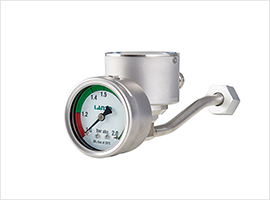
Evaluate working pressure (select couplings rated 1.2–1.5× system max), burst pressure (typically 4× working), pressure drop (check manufacturer's flow/pressure charts), and back pressure (determines need for pressure-relief couplings). Always operate the hydraulic pressure release tool before disconnecting the hydraulic coupling to prevent potential fluid leaks or pressure-related injuries.