Call Me
+86-21-50125451
Search
CN

Email
tinali02@126.com
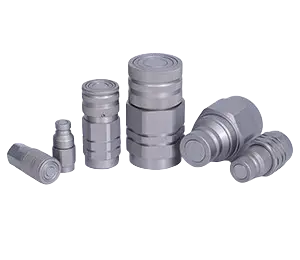
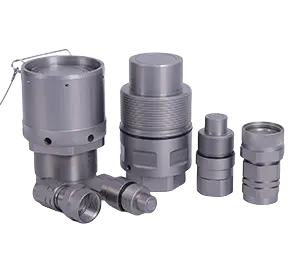
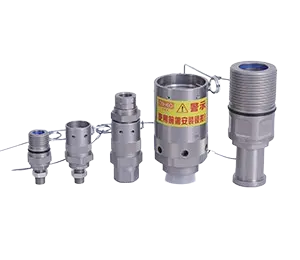
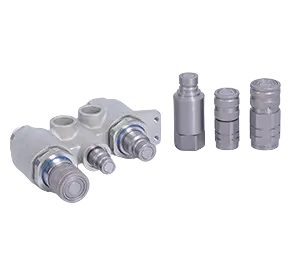
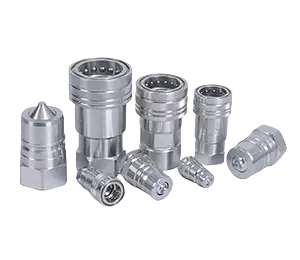
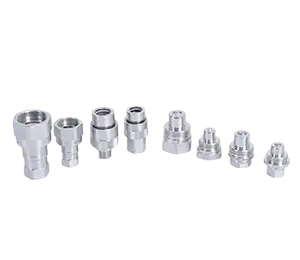
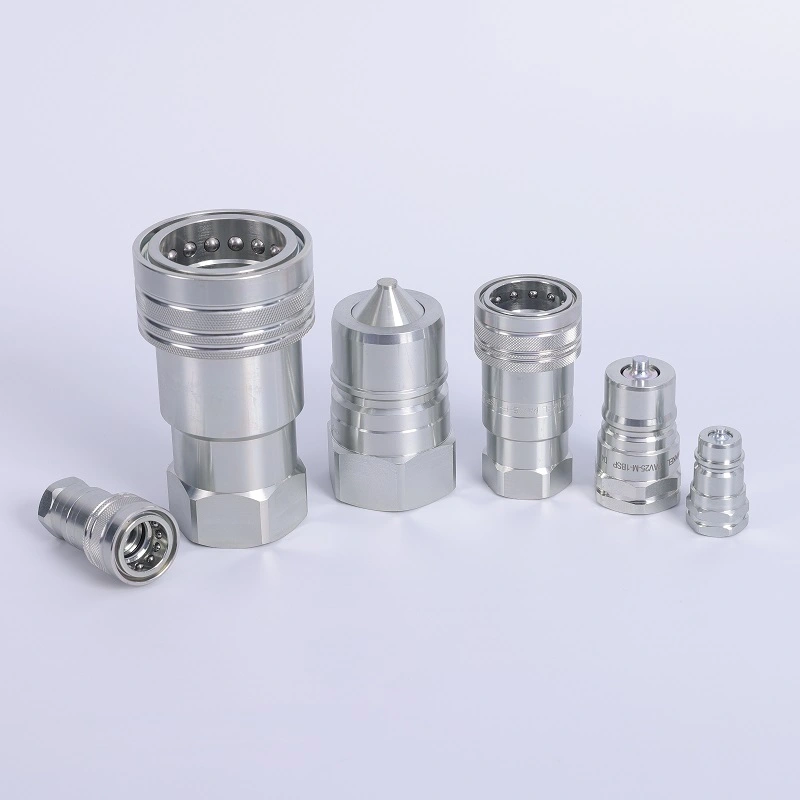
The working principle of the poppet coupler is based on the opening and closing actions of the valve disc. When fluid flows in from one end of the connector, the valve disc is opened by the thrust of the fluid, allowing the fluid to pass through. When the fluid attempts to backflow from the other end, the valve disc tightly closes, preventing fluid backflow. This design allows the poppet coupler to effectively control fluid direction, ensuring the stable operation of the system.
Poppet couplers are widely used in various industrial systems such as hydraulic systems, water supply systems, and industries like petroleum, chemical, and pharmaceuticals. In these systems, poppet couplers can prevent the adverse effects of fluid backflow, protecting the system from damage. Additionally, it can regulate the flow rate and speed of the fluid, meeting the demands of the process flow.
Simple Structure
The structural design of the poppet coupler is relatively simple, making it easy to install and maintain.
Reliable Operation
This connector can operate for a long time in harsh working environments without failure.
Good Sealing
The poppet coupler has excellent sealing performance, effectively preventing fluid leakage and contamination.
Long Service Life
Due to the durable materials and structural design of the poppet coupler, it has a relatively long service life.
When selecting a poppet coupler, choose according to specific working conditions and fluid characteristics.
During use, regularly check the sealing performance and wear condition of the poppet coupler, and replace damaged parts promptly.
Avoid using beyond the rated pressure or temperature range of the poppet coupler.
Excellent Leak Prevention
The poppet style quick coupler features precise design, ensuring a tight seal even when disconnected, thus minimizing fluid leakage and safeguarding system integrity. This characteristic is crucial for systems where fluid loss may cause performance decline or safety hazards.
Convenient and Efficient Operation
Poppet couplers are specifically designed for quick connections and disconnections, significantly improving operational efficiency and reducing downtime. This advantage is particularly prominent in scenarios requiring frequent connecting and disconnecting operations.
High Flow Rate Transmission
Poppet couplers typically possess excellent high flow characteristics, allowing for efficient fluid transfer in hydraulic systems, thereby enhancing overall system performance and significantly reducing response time.
Superior Durability and Reliability
With their robust construction and excellent wear resistance, poppet couplers can easily handle high pressure and harsh environments. Their durability reduces maintenance needs and significantly extends the service life of coupled systems.
Wide Application Adaptability
Poppet couplers offered by quick release coupling suppliers, can adapt to various fluid and pressure conditions, making them highly versatile for use in diverse industrial and hydraulic fields.
Effective Contamination Prevention
The design of poppet couplers minimizes the risk of contaminants entering the system during connection or disconnection, helping maintain the cleanliness of hydraulic oil and system efficiency.
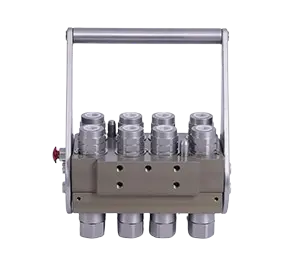
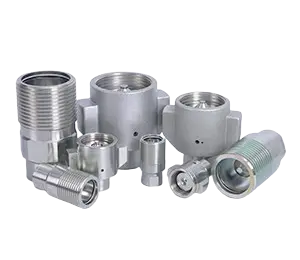
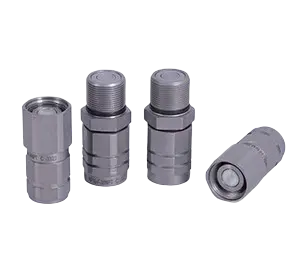
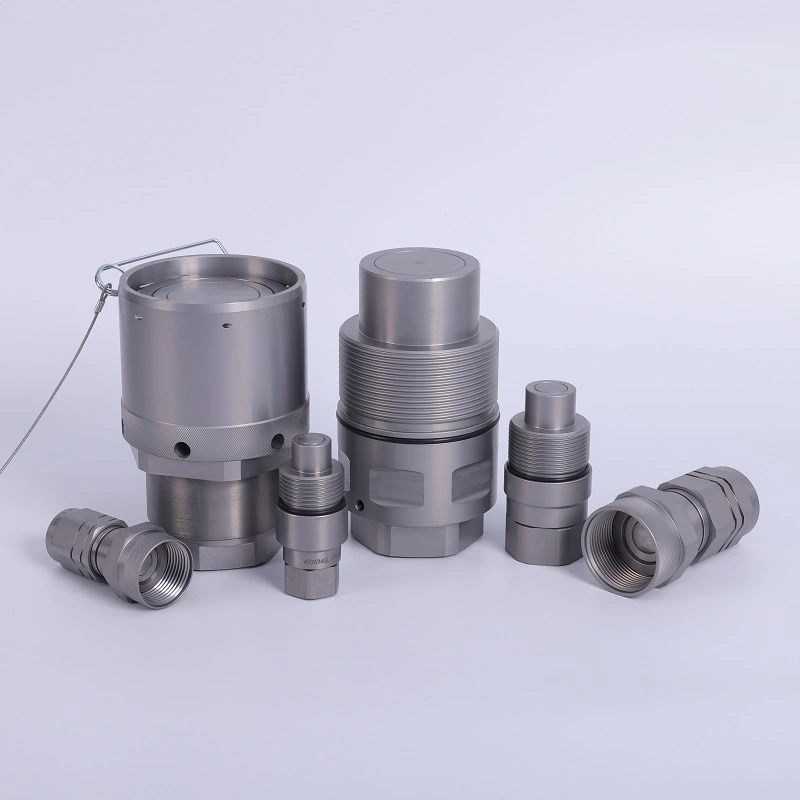
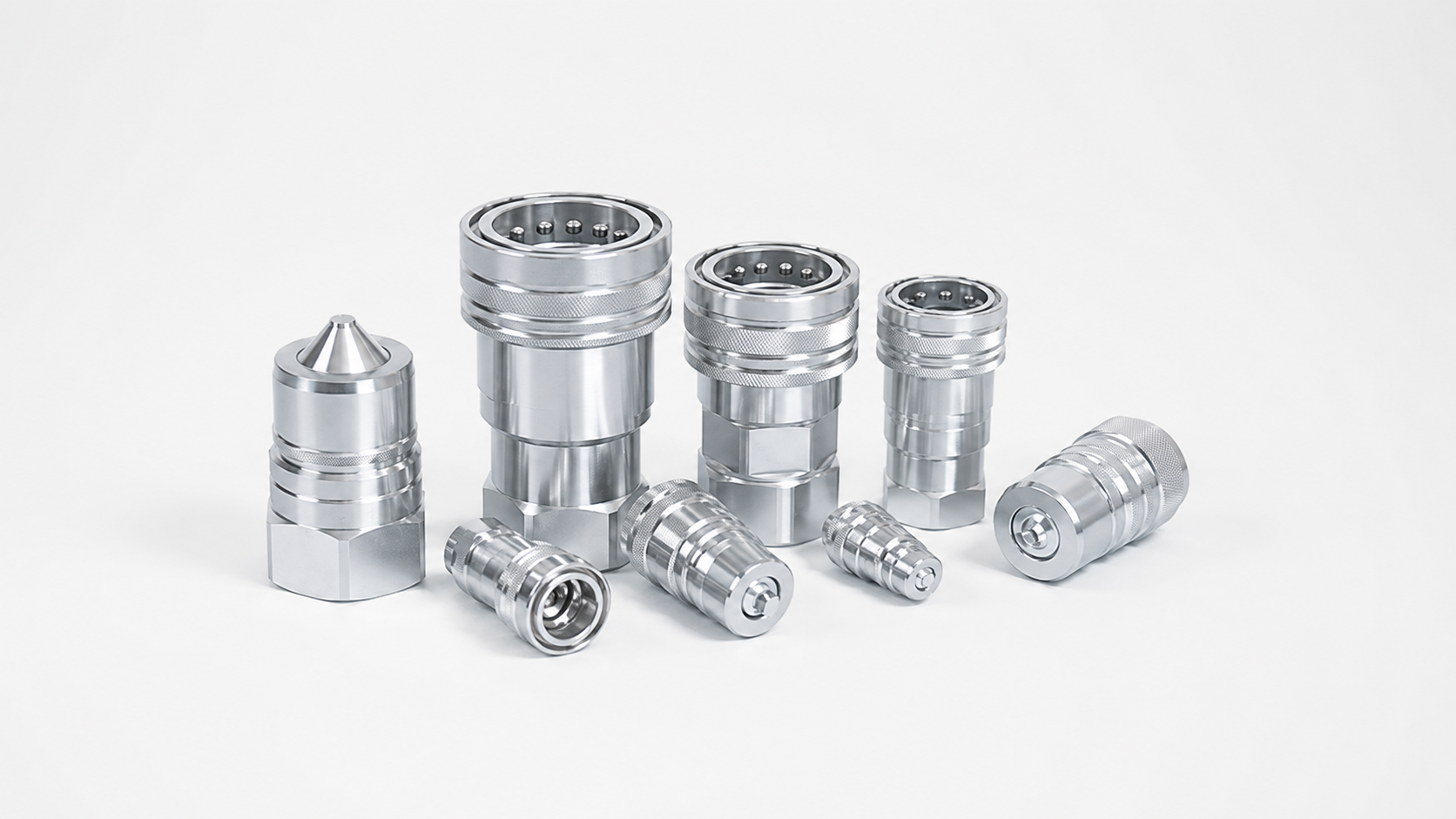
Kuaishi's poppet couplers provide secure, leak-free connections for hydraulic systems. With a sturdy design, these connectors ensure reliable performance under high pressure, making them ideal for construction, agriculture, and industrial applications where durability and efficiency are paramount. Choosing Kuaishi's poppet couplers means investing in a high-performance solution that enhances reliability and efficiency across multiple sectors. Experience the superior advantages of our cone valve quick connection technology and discover the significant improvements it can bring to your operations.
1. What is a poppet coupler?
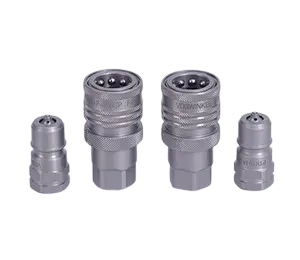
A poppet coupler is a hydraulic quick coupling that uses spring-loaded valves to control fluid flow. It allows hydraulic lines to be connected and disconnected quickly while helping reduce fluid leakage.
2. How does a poppet coupler work?
When the male and female halves are connected, the internal poppet valves push against each other and open the flow passage. After disconnection, the springs close the valves to retain hydraulic fluid.
3. What is the difference between a poppet coupler and a flat-face coupler?
A hydraulic poppet coupler is widely used and cost-effective, while a flat-face coupler provides lower fluid spillage and is easier to clean. Flat-face designs are generally preferred in contamination-sensitive applications.
4. How do you choose the correct poppet coupler?
Consider the interface standard, body size, working pressure, flow rate, thread type, seal material, operating temperature, and whether the system has residual pressure. The male and female halves must use compatible standards and sizes.
5. Can a poppet coupler be connected under pressure?
Standard poppet couplers may be difficult to connect when residual pressure remains in the hydraulic line. For these applications, choose a decompression or connect-under-pressure design.
6. How should a poppet coupler be maintained?
Clean both coupling halves before connection and use dust caps when disconnected. Regularly inspect the seals, valve surfaces, and locking mechanism for wear, contamination, or leakage.
Related Products
| Refrigeration Quick Release Couplings | QRC Coupling | Hydraulic Quick Coupler Pressure Relief Tool |
| Quick Connect Fittings HVAC | Quick Release Coupling for Gas | HVAC Quick Connect Fittings |