Call Me
+86-21-50125451
Search
CN

Email
tinali02@126.com
Skid steer loaders use auxiliary hydraulic circuits to operate attachments such as grapples, augers, breakers, sweepers and mulchers. Although the coupling is a small component, an incorrect specification can restrict flow, cause pressure loss, create leakage or make attachment changes difficult.
For equipment manufacturers, attachment suppliers, fleet operators and replacement-parts buyers, selecting skid steer hydraulic couplers should be based on the complete hydraulic system rather than appearance or thread size alone.
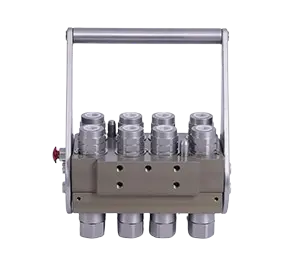
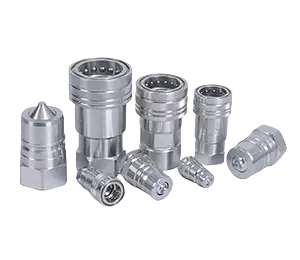
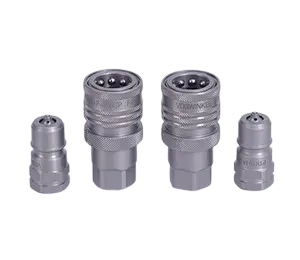
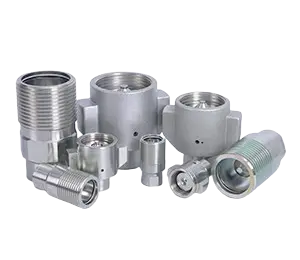
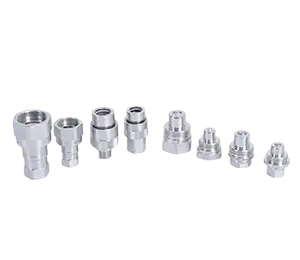
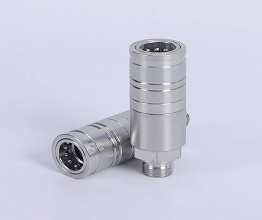
Skid steer hydraulic couplers connect the machine’s auxiliary circuit to the attachment hoses. Their internal passage, valve design and body size influence how efficiently hydraulic oil moves through the connection.
A coupling that is too small can restrict flow and reduce the power available to the attachment. This may cause slower cylinder movement, lower tool speed, additional heat and reduced efficiency. High-demand attachments such as mulchers and hydraulic breakers are particularly sensitive to insufficient flow capacity.
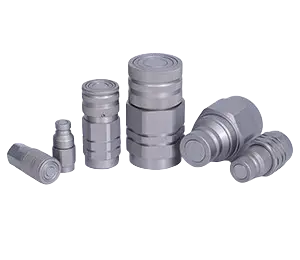
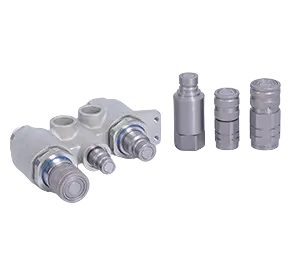
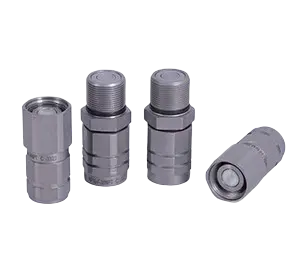
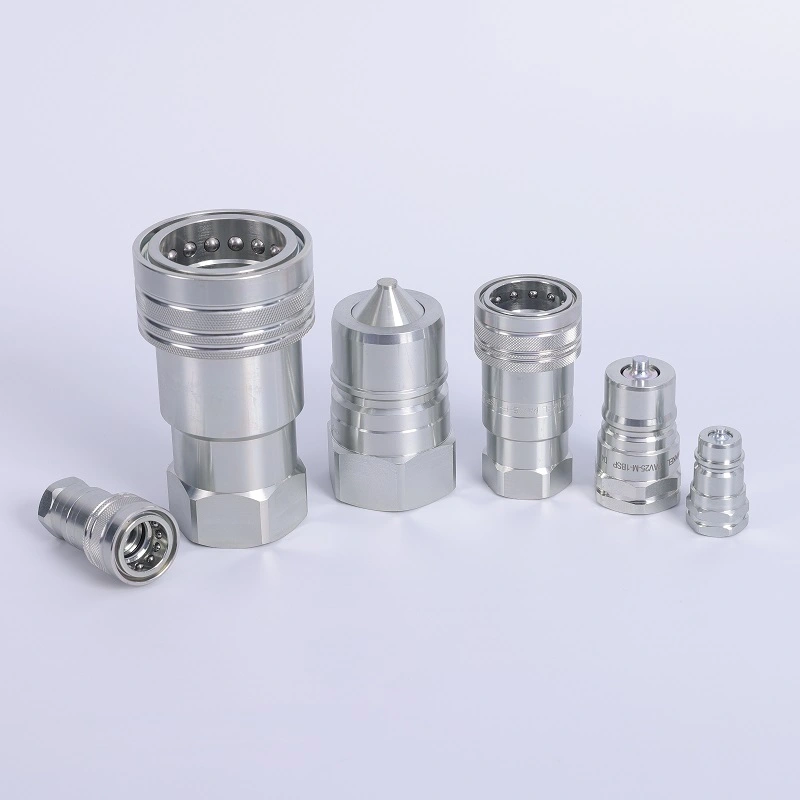
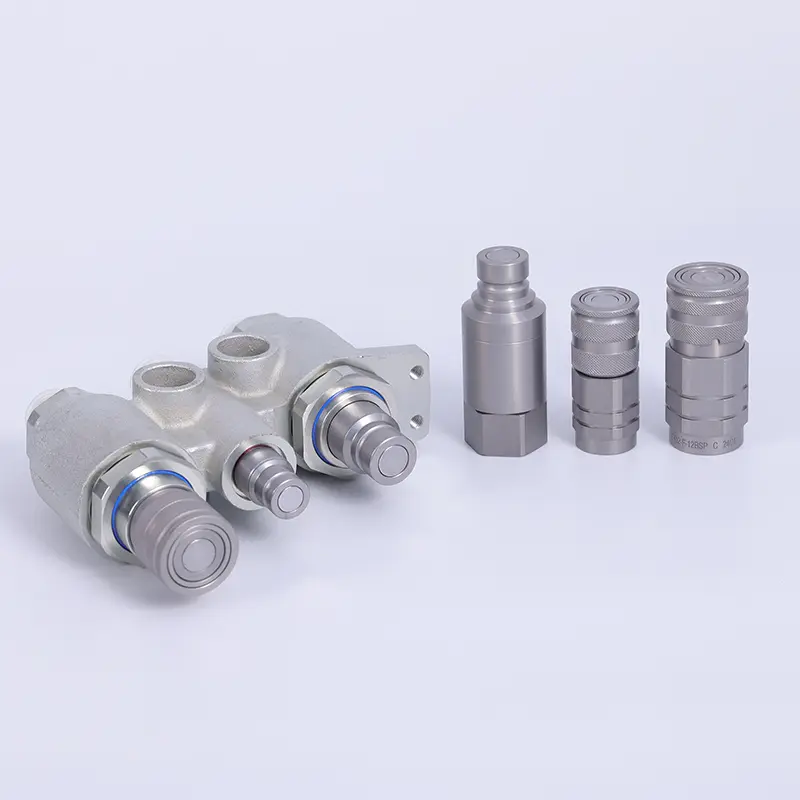
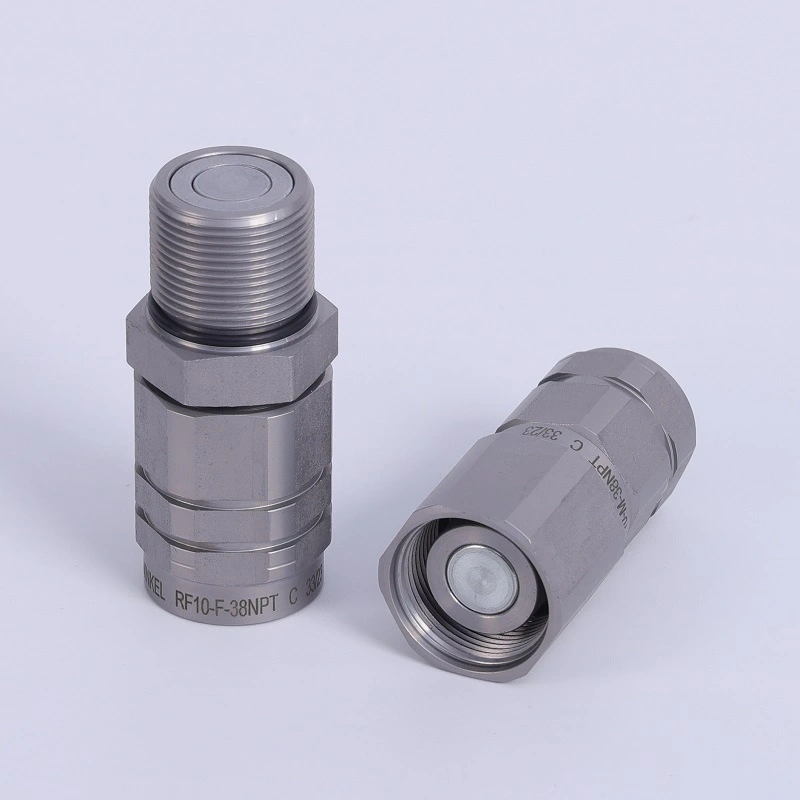
Flat-face couplings are widely used on construction machinery because their flush surfaces help limit fluid loss and can be wiped clean before reconnection. ISO 16028 flat-face solutions are also available with pressure-elimination or connect-under-pressure functions.
The coupling body size, hose connection and port thread are separate specifications. A 1/2-inch thread does not automatically indicate a 1/2-inch coupling body or sufficient flow capacity.
Before requesting a quotation, confirm:
Nominal coupling size
Hose inside diameter
Port thread type and size
Male and female interface
Maximum working pressure
Required flow rate
Existing equipment dimensions
Common thread options include BSP, NPT and metric threads. They should not be mixed simply because their diameters look similar.
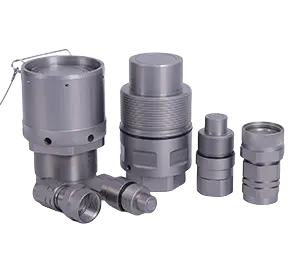
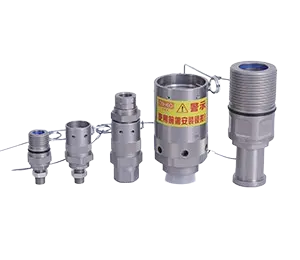
Kuaishi's SSL Series includes ISO nominal sizes 12.5 and 19, with listed port options such as G 1/2, M22 × 1.5 and G 3/4. The final part number should match the skid steer interface and attachment hose specification.
Not every attachment has the same hydraulic demand. Grapples and general-purpose cylinders may operate with moderate flow, while mulchers, planers and trenchers often require higher oil flow.
Procurement teams should obtain:
Auxiliary hydraulic flow range
Maximum circuit pressure
Return-line requirements
Permitted pressure drop
Continuous or intermittent duty
Hydraulic oil and temperature range
The coupling should support the required flow without becoming an unnecessary restriction. Pressure rating alone is not enough: a coupler may withstand system pressure but still have an internal passage that is too small.
For fleets using multiple attachments, standardizing compatible skid steer hydraulic couplers can simplify inventory, reduce incorrect connections and make field replacement easier.
Construction equipment often works around dust, mud, sand and plant debris. A flat mating surface can be wiped before connection, helping reduce contamination entering the hydraulic circuit.
Flat-face designs also limit fluid released during connection and disconnection, supporting cleaner attachment changes. Manufacturers commonly position ISO 16028 flat-face couplings as clean, low-spill solutions for demanding mobile equipment.
However, operators should still inspect the sealing faces. A flat-face design cannot compensate for damaged seals, scratched surfaces or dirt left on the coupling.
Residual pressure is a common reason couplers become difficult to connect. Pressure may remain in an attachment hose after shutdown or build when trapped oil expands during storage in direct sunlight.
Standard couplers may require full depressurization before connection. Excessive force can damage valves, seals or locking parts. Connection difficulty may also result from contamination, damaged components, poor hose routing or misalignment.
Where attachments frequently retain pressure, consider connect-under-pressure designs.
Confirm:
Which coupling half can connect under pressure
Maximum permitted residual pressure
Whether external pressure release is required
Whether connection can be completed by hand
Whether fluid is released during equalization
This capability should be verified from the product specification rather than assumed from appearance.
Carbon steel is commonly used for heavy-duty hydraulic couplers, while surface treatment helps protect components from moisture and outdoor exposure.
Seal selection should match the hydraulic oil and operating temperature. Provide the supplier with details of the fluid, additives, temperature range and cleaning chemicals. Coastal, corrosive or frequently washed equipment may require stronger corrosion protection.
Dust caps and plugs are also useful when attachments remain disconnected, helping protect the mating surfaces and reduce cleaning before installation.
Before approving a supplier or placing a volume order, review:
Technical drawings and interface dimensions
Pressure and flow ratings
Applicable interchange standard
Thread and port options
Body and seal materials
Surface-treatment information
Leakage and pressure-test procedures
Batch traceability
Replacement-seal availability
MOQ and production lead time
Test samples with the actual skid steer and representative attachments. Check connection force, leakage, attachment response and ease of disconnection after the system reaches normal operating temperature.
Avoid the following mistakes:
Ordering by thread size without confirming body size
Mixing incompatible male and female profiles
Ignoring high-flow attachment requirements
Assuming every flat-face coupler connects under pressure
Selecting seals without checking fluid compatibility
Skipping sample testing before bulk production
Comparing suppliers only by unit price
A correctly matched coupler can reduce downtime, while an unsuitable part may create recurring maintenance costs across an entire fleet.
No. Couplers may differ in interface profile, size, pressure rating, thread type and valve design. Confirm compatibility before combining different products.
Common causes include residual pressure, contamination, damaged seals, misalignment or incompatible coupling halves.
They may. The correct size depends on required flow, permitted pressure drop and system pressure. Review the attachment specifications rather than selecting by thread alone.
Replace them when there is persistent leakage, damaged sealing surfaces, corrosion, unreliable locking or repeated connection problems after cleaning and depressurization.
Selecting skid steer hydraulic couplers requires coordinated evaluation of body size, thread type, working pressure, flow demand, residual pressure and operating conditions. Interface verification and sample testing are especially important before bulk purchasing.
Kuaishi supplies SSL Series skid steer flat-face coupling solutions in different nominal sizes and port configurations. Send Kuaishi your machine model, auxiliary flow, working pressure, thread specification and required quantity to discuss product selection or customized supply.