Call Me
+86-21-50125451
Search
CN

Email
tinali02@126.com
High-pressure hydraulic systems depend on every connection remaining secure under load. A coupling designed for a conventional hydraulic circuit may not be suitable for equipment operating at 70 MPa, or 700 bar. For procurement teams, selecting high pressure quick connect fittings therefore requires more than matching the thread size.
The correct coupling must support the system pressure, required flow, hydraulic fluid, connection method and operating environment. This guide explains the key factors industrial buyers should review before sourcing fittings for hydraulic tools, pressure-testing equipment, mining systems and other demanding applications.
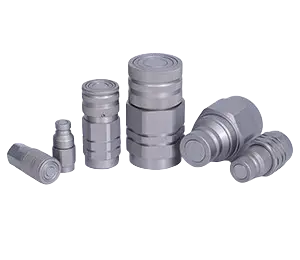
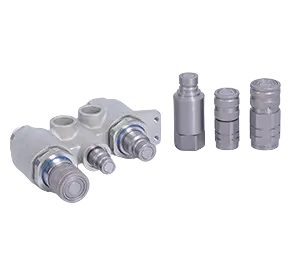
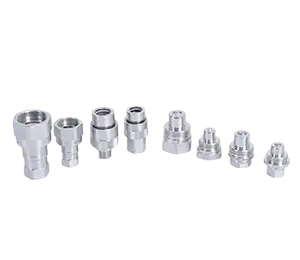
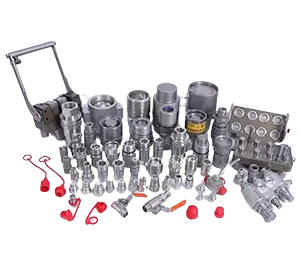
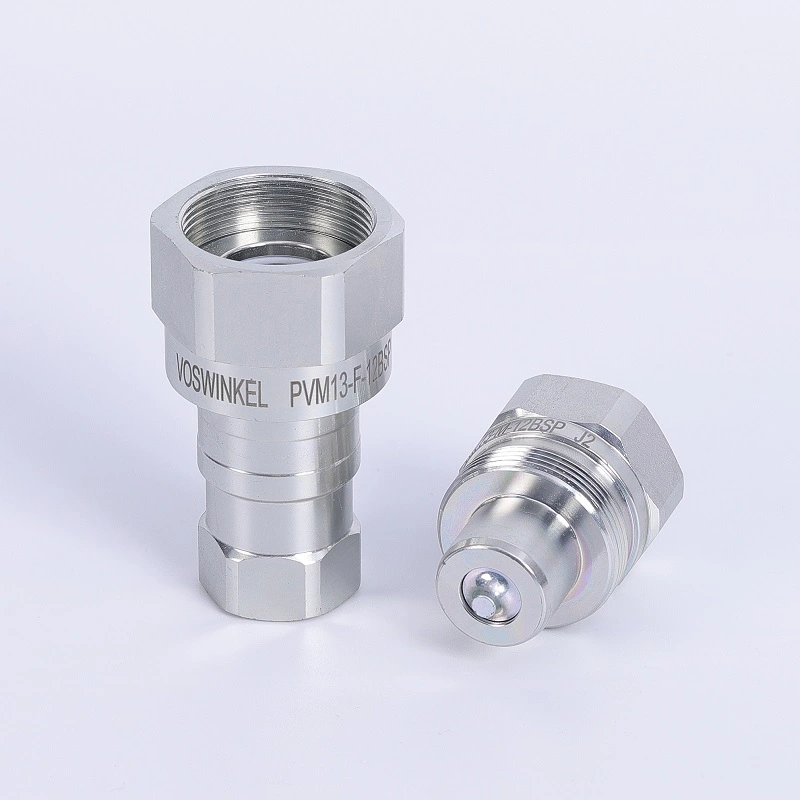
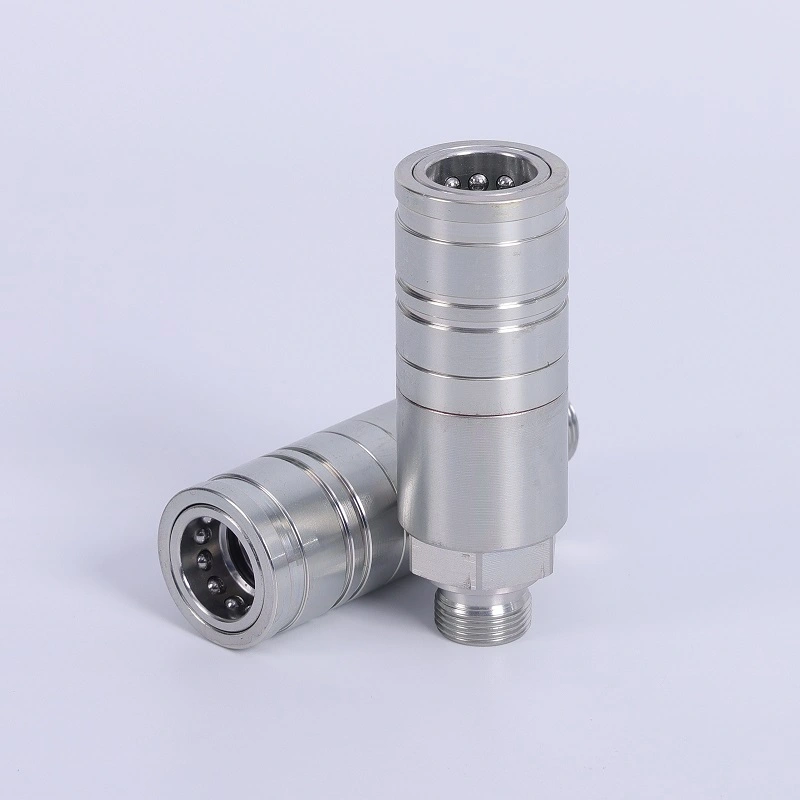
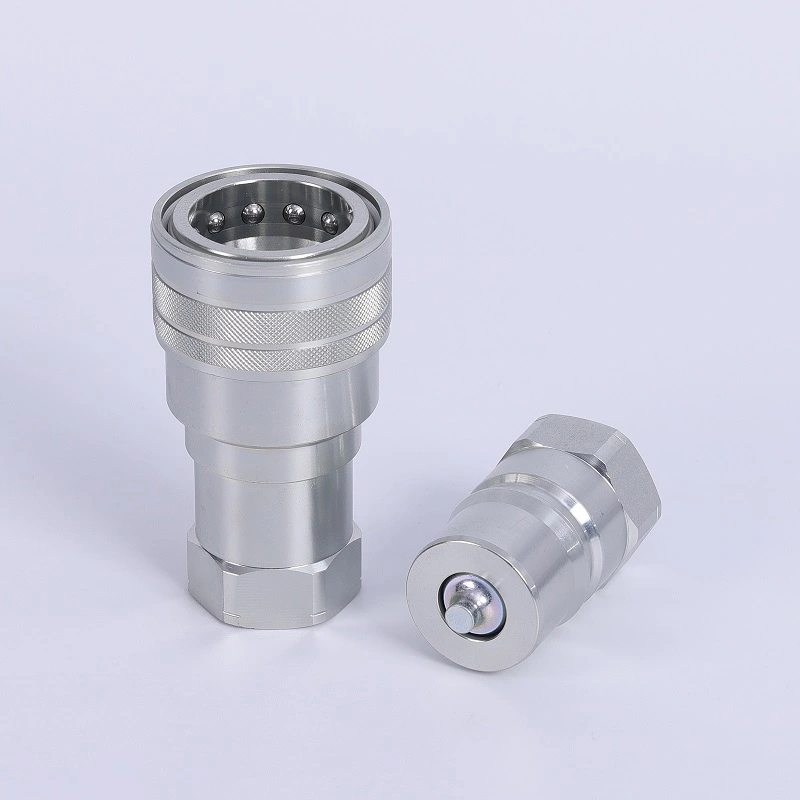
High pressure quick connect fittings allow hydraulic hoses, pumps, cylinders and tools to be connected or disconnected without repeatedly removing threaded pipe fittings. They are particularly valuable where equipment must be changed, maintained or transported frequently.
Typical applications include:
Hydraulic torque tools and bolt-tensioning systems
Hydraulic jacks, pullers and rescue tools
Pressure-testing and calibration equipment
Mining and oilfield maintenance systems
Industrial lifting and clamping equipment
High-pressure pumps and portable power units
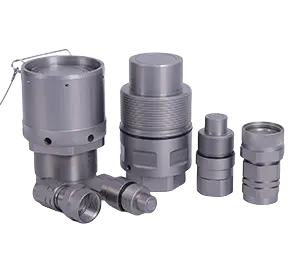
Ultra-high-pressure couplings are also used in hydraulic test installations, mining operations and other applications where connection reliability and operator safety are critical.
The first purchasing criterion is the rated working pressure. The coupling rating should meet or exceed the maximum pressure generated by the hydraulic system. Buyers should confirm whether the stated rating applies to the male half, female half and complete connected assembly.
Burst pressure should not be treated as the normal operating limit. It is a destructive test value used to assess structural strength, while the rated working pressure determines normal operating suitability.
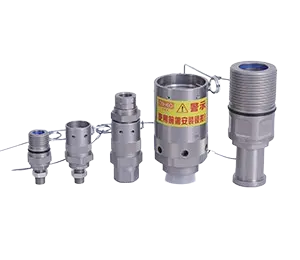
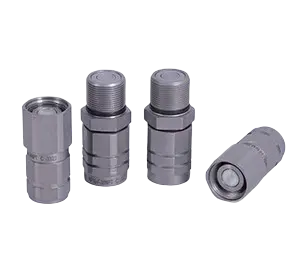
For example, Kuaishi's HBS and HTS ISO 14540 coupling series are rated for a working pressure of 70 MPa. Different nominal sizes have different flow rates, burst-pressure values and fluid-spillage levels, so the final model should be selected from the full specification table rather than pressure alone.
An applicable interface standard helps buyers compare dimensions and connection requirements more consistently. Kuaishi’s HBS and HTS ultra-high-pressure series are specified according to ISO 14540 and use a screw-locking connection.
However, the same general standard does not automatically guarantee that every male and female coupling can be mixed.
Procurement teams should verify:
Nominal coupling size
Male and female interface dimensions
Locking thread and engagement length
Port thread standard
Rated working pressure
Internal valve structure
Manufacturer interchange information
Before placing a bulk order, request technical drawings or samples and test the complete male-and-female combination in the intended hydraulic system.
A coupling may withstand the required pressure but still be too restrictive for the application. An undersized internal passage can create excessive pressure drop, heat generation and reduced tool or actuator speed.
Buyers should provide the supplier with the required flow rate instead of selecting a coupling solely by hose diameter or thread size.
For Kuaishi’s 70 MPa series, the 6.3 mm ISO size has a listed rated flow of 5 L/min and a maximum flow of 10 L/min. The 10 mm size has a rated flow of 9 L/min and a maximum flow of 20 L/min.
The correct choice should provide sufficient flow without unnecessarily increasing coupling size, weight and purchasing cost.
Residual pressure may remain inside a hose or hydraulic tool after the pump is stopped. Temperature changes can also increase trapped pressure while equipment is stored. This can make a standard coupling difficult to connect and may encourage operators to use unsafe connection methods.
When residual pressure is expected, buyers should confirm:
Whether the male half can connect under pressure
Whether the female half can connect under pressure
The maximum permitted connection pressure
Whether tools are required for connection
Whether the locking system prevents accidental separation
The hydraulic system should still be depressurized whenever operating procedures allow. Connect-under-pressure capability is a functional feature, not a replacement for proper pressure-release procedures.
The materials and connection details of high pressure quick connect fittings must be compatible with the hydraulic circuit and surrounding environment.
Confirm whether the equipment uses BSP, NPT or another port standard. Similar-looking threads may have different angles, pitches and sealing methods. They should not be forced together.
NBR is commonly used with mineral-based hydraulic oils. Alternative materials such as FKM or EPDM may be required for different fluids, temperatures or chemical conditions.
The supplier should receive information about:
Hydraulic fluid type
Fluid additives
Minimum and maximum temperature
Cleaning chemicals
Outdoor or indoor installation
Expected storage conditions
Carbon steel is frequently used for high-pressure hydraulic couplings. Surface treatment becomes important when the fittings are exposed to moisture, industrial contaminants or outdoor storage.
Kuaishi’s HBS and HTS series use carbon steel with a Zn-Fe Cr III finish. Their listed operating temperature range is from −25°C to +100°C, with NBR as the standard seal and FKM or EPDM available as options.
For OEM orders, replacement programs or regular bulk purchasing, technical documentation can reduce quality variation and installation errors.
Before confirming an order, request:
Product drawings and connection dimensions
Rated working and burst pressures
Rated and maximum flow rates
Fluid-spillage information
Body material and surface-treatment details
Standard and optional seal materials
Pressure and leakage test procedures
Part-number and batch-traceability information
Sample approval before mass production
Packaging and protective-cap requirements
For safety-critical applications, buyers should also ask whether every coupling is pressure-tested or whether testing is performed by batch. Some high-pressure coupling manufacturers test each coupling and nipple to the full working pressure before delivery.
A common mistake is purchasing by thread size alone. The thread identifies the port connection, but it does not necessarily determine the coupling body size, flow capacity or interface compatibility.
Other purchasing risks include:
Mixing incompatible male and female halves
Ignoring residual pressure in stored tools
Selecting seals without checking fluid compatibility
Using burst pressure as the working-pressure rating
Comparing suppliers only by unit price
Skipping sample testing before bulk procurement
A lower-cost coupling can become expensive if it causes leakage, tool downtime, repeated replacement or equipment damage.
Yes. A pressure of 70 MPa is equal to 700 bar.
No. BSP and NPT use different thread forms and sealing methods. The correct port option or a suitable adapter should be used.
No. A larger coupling may provide more flow, but it also increases size, weight and cost. Select the smallest model that safely meets the pressure and flow requirements.
A screw-locking design is suitable where a secure mechanical connection is required under high pressure, vibration or repeated pressure impulses.
Selecting high pressure quick connect fittings for a 70 MPa hydraulic system requires coordinated evaluation of pressure rating, flow capacity, residual-pressure operation, interface dimensions, thread type, seal compatibility and testing documentation. The coupling should be treated as a safety-critical hydraulic component rather than a simple threaded accessory.
Kuaishi offers HBS and HTS ISO 14540 high-pressure coupling solutions rated for 70 MPa, with BSP and NPT ports and multiple seal options for different industrial requirements. Contact Kuaishi with your pressure, flow, fluid and connection specifications to discuss model selection, samples or bulk procurement.