Call Me
+86-21-50125451
Search
CN

Email
tinali02@126.com
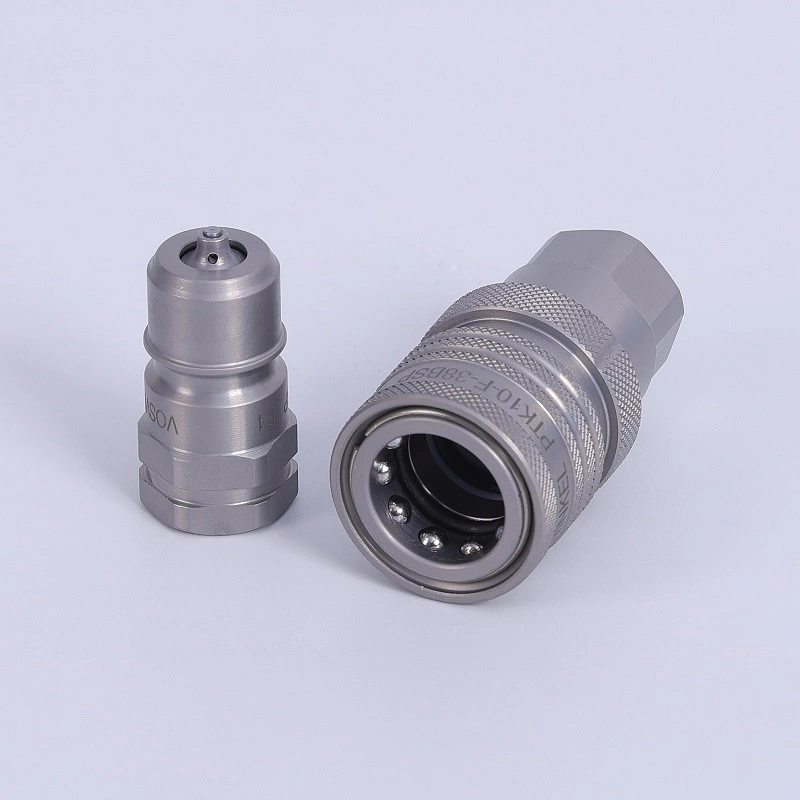
Hydraulic quick couplings are components used to connect or disconnect hydraulic lines. They are widely used in various hydraulic equipments thanks to their ease of operation and speed. This article will provide you with a detailed guide to selecting hydraulic quick couplings.
The working pressure of the hydraulic quick-release coupling should match the working pressure of the hydraulic system to avoid damage or leakage caused by excessive or insufficient pressure.
The rated working pressure of the selected hydraulic quick coupling model must be higher than the maximum working pressure of the system, with a certain safety margin (generally recommended to be at least 1.5 times).
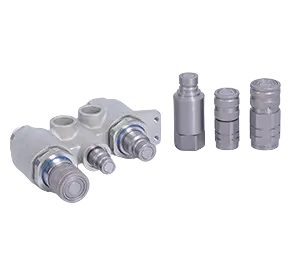
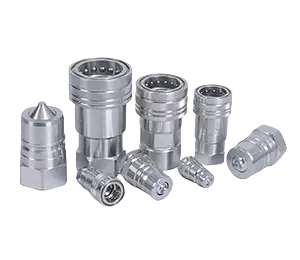
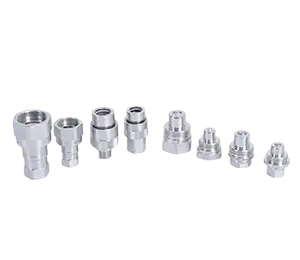
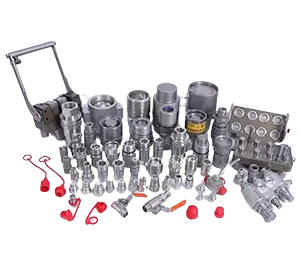
Our company offers a full range of hydraulic quick coupling models from low pressure (e.g., 2MPa) to ultra-high pressure (e.g., 70MPa), such as the RBV series (medium and low pressure hydraulic quick couplings), KA series (medium and high pressure), and HTS series (ultra-high pressure), to meet different pressure requirements.
The nominal diameter of the hydraulic quick-connect coupling must match the inner diameter of the connected pipe or hose; otherwise, flow loss, increased pressure drop, or turbulence will occur.
Kuaishi couplings, under the expected flow rate, have an internal flow channel design that maintains a low pressure drop, avoiding impact on system efficiency.
Kuaishi, one of the top hydraulic quick-release coupling manufacturers, offers a wide range of hydraulic quick-connect couplings from 1/4 inch to 3-inch large diameters, covering the vast majority of industrial applications.
Select appropriate materials based on the working environment and requirements of the hydraulic system, such as carbon steel or stainless steel. The working environment of the quick coupling should be considered, taking into account humidity, dust levels, and corrosive conditions, as well as the fluid medium, to determine the type, body material, and sealing material of the quick coupling. For example, if the quick coupling is used with water, brass or stainless steel should be selected.
The sealing materials of hydraulic quick couplings (such as O-rings and valve core seals) must be fully compatible with the system medium; otherwise, it will cause seal swelling, corrosion, and failure, leading to leakage. The operating temperature should be within its specified range to avoid affecting the service life of the coupling due to excessively high or low temperatures.
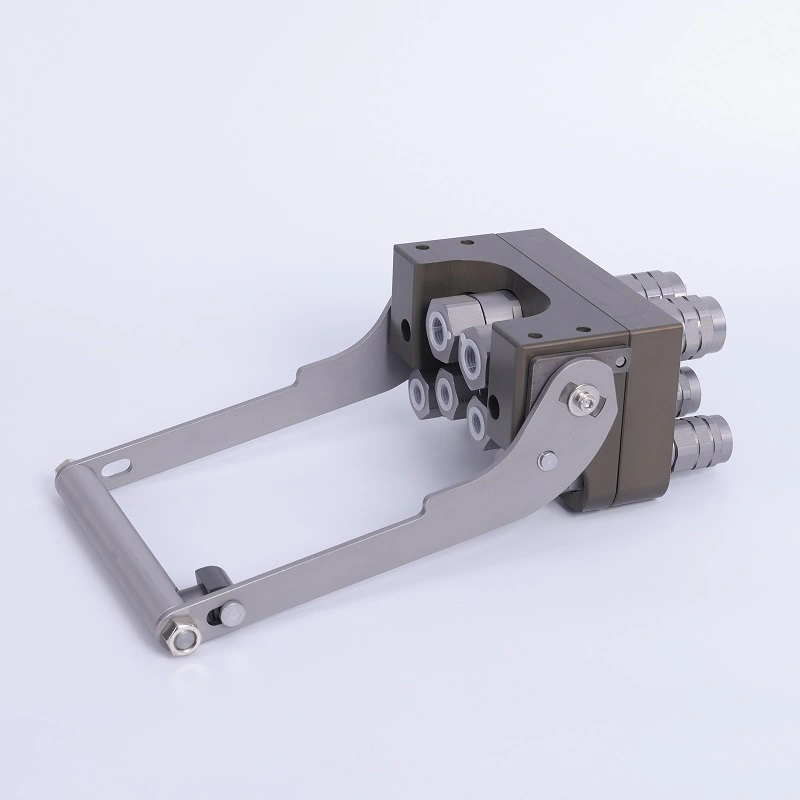
Kuaishi Solution: Standard configuration includes NBR (nitrile rubber) seals, compatible with most mineral oils; for special media and wide temperature ranges (-40°C to +100°C), high-performance seals such as polyurethane, FKM (fluororubber), and PTFE (polytetrafluoroethylene) are available. In hydraulic systems, the hydraulic quick coupling and hydraulic pressure release tool serve complementary but distinct roles that together ensure safe, efficient operation.
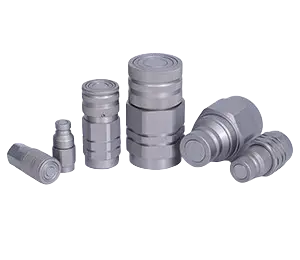
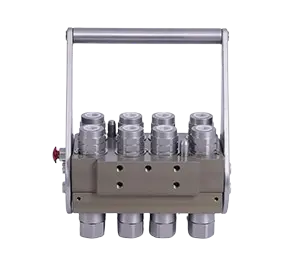
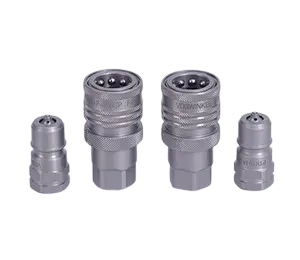
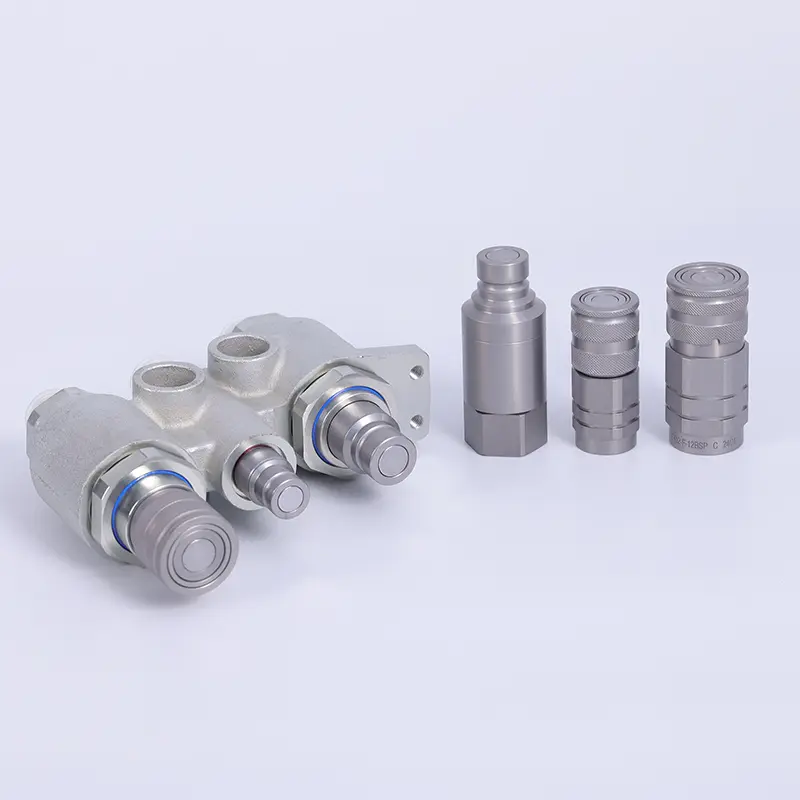
Select the appropriate size quick-connect coupling based on the hydraulic system's piping specifications, ensuring it matches the equipment's hydraulic piping ports (ISO16028 flat face connection, ISO 7241 poppet connection, ISO 14541 threaded connection, etc.) or attachment interfaces. The male and female connectors must be strictly matched to ensure reliable sealing and smooth insertion and removal.
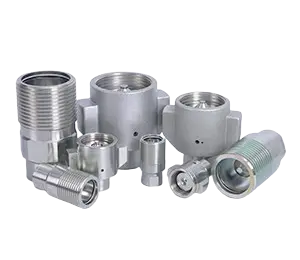
Determine the thread type (metric, imperial, US, etc.). The thread on the coupling body must be completely consistent with the thread type and specification of the equipment port. When using products from different brands, it is best to use female and male couplings from the same brand.
Identify any other requirements for the coupling (e.g., vibration resistance, safety lock, leak-proof, dust cap, pressurized connection).
Vibration Resistance: Select quick-connect couplings with safety pins and shock-absorbing designs.
Safety and Anti-Disconnection: Select models with safety locks (e.g., ball locks, safety pins) to prevent accidental disconnection.
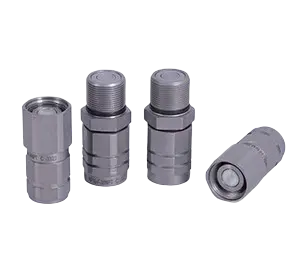
Zero leakage requirement: Choose a model with a flat-head shut-off valve that prevents dripping when disconnected.
Dust and dirt protection: Choose a model with a dust cover.
Easy operation: For specific scenarios, models with one-handed operation are available.
Residual pressure connection: Models with pressure relief function.
Environmental adaptability: When exposed to harsh environments (such as construction machinery, mines, and marine environments), choose models with stainless steel quick-connect couplings or surface-plated (such as zinc-nickel plating) hydraulic quick-connect couplings to improve corrosion resistance.
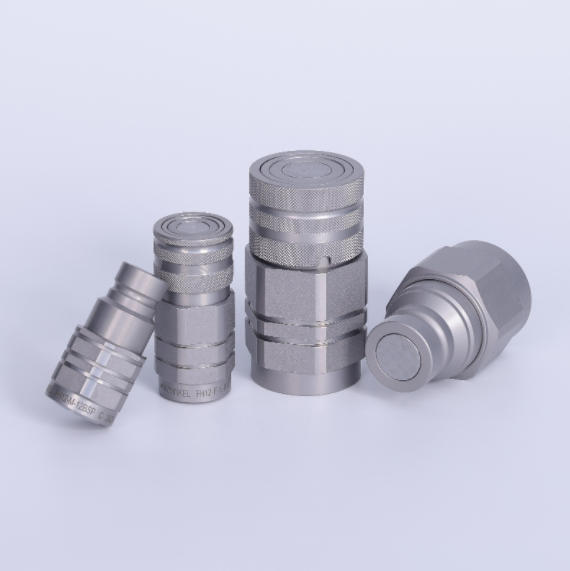
ISO 16028
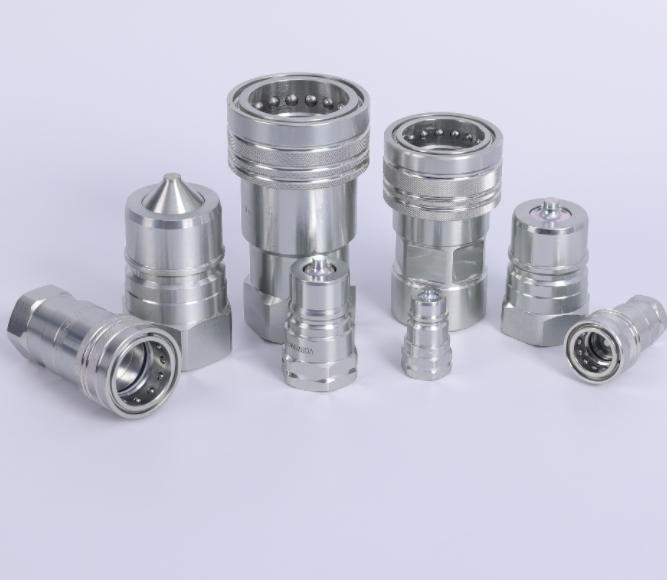
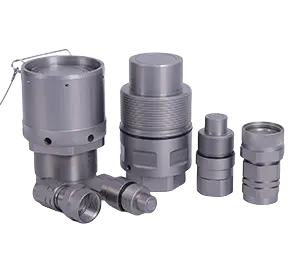
ISO 7241
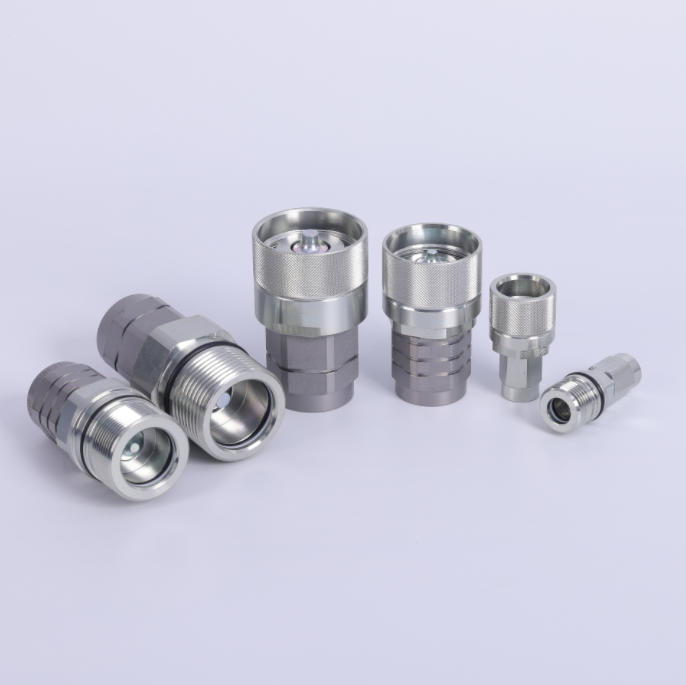
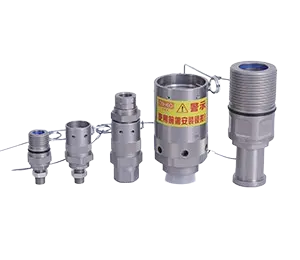
ISO 14541
Related Products
| Refrigeration Quick Release Couplings | QRC Coupling | Hydraulic Quick Coupler Pressure Relief Tool |
| Quick Connect Fittings HVAC | Quick Release Coupling for Gas | HVAC Quick Connect Fittings |