Call Me
+86-21-50125451
Search
CN

Email
tinali02@126.com
Still bothered by oily hands when disassembling and assembling hydraulic pipes? Every second of downtime for equipment maintenance is a waste of money. If you've ever been responsible for maintaining hydraulic equipment in a factory, you'll know how abhorrent this scenario is: replacing a hydraulic tool requires two people working together, spending ages tightening threads with a wrench, and hydraulic oil splattering everywhere when the pipe is disconnected—not only is expensive hydraulic oil wasted, but cleaning up is also time-consuming and labor-intensive. More importantly, this traditional connection method causes equipment to waste production capacity while "waiting."
Is there a solution that's as simple as plugging and unplugging a USB cable, completely eliminating this inefficient chaos? The answer is yes—hydraulic quick-connect couplings, this seemingly insignificant little component, are quietly revolutionizing the efficiency of hydraulic systems.
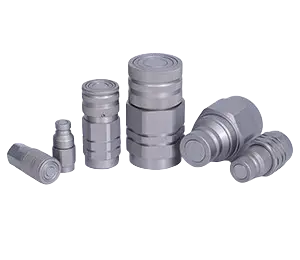
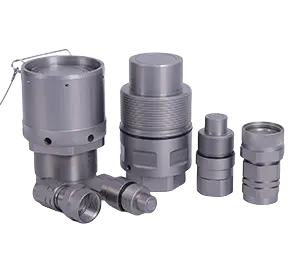
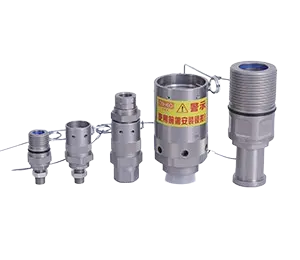
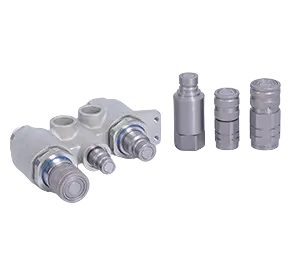
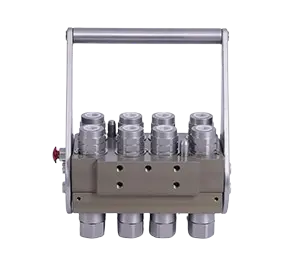
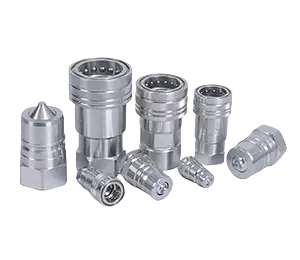
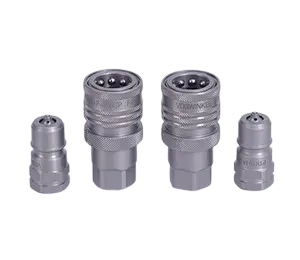
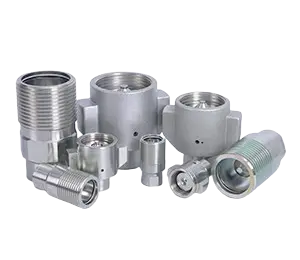
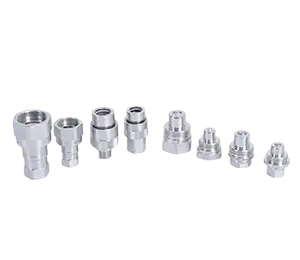
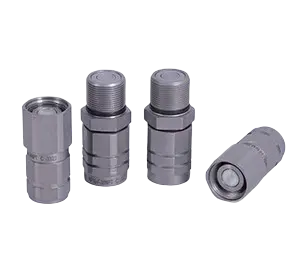
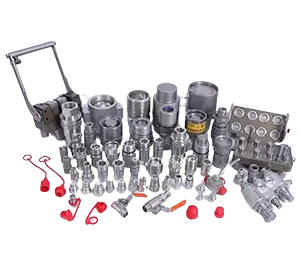
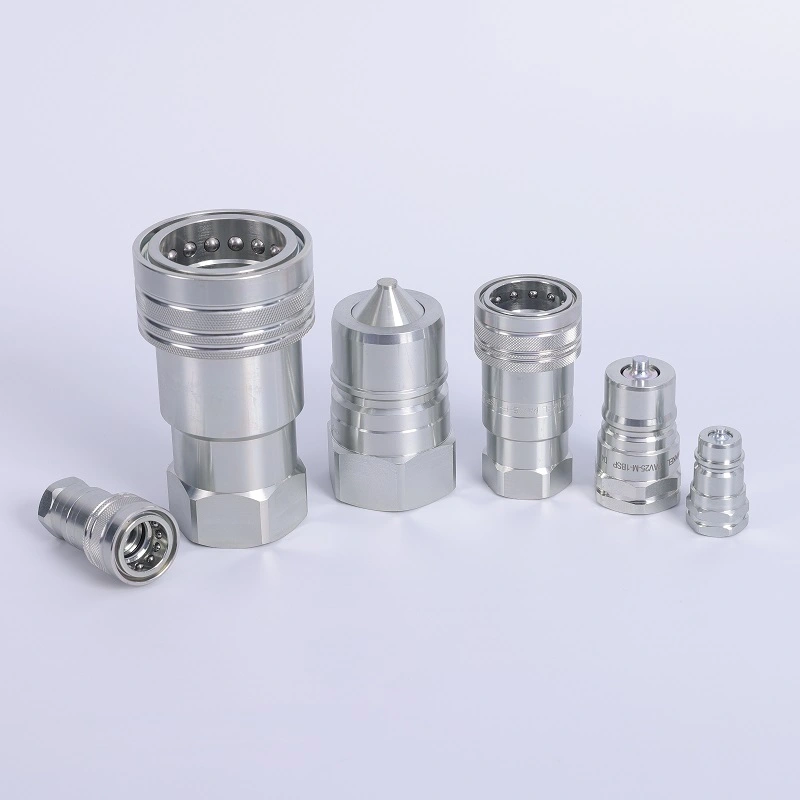
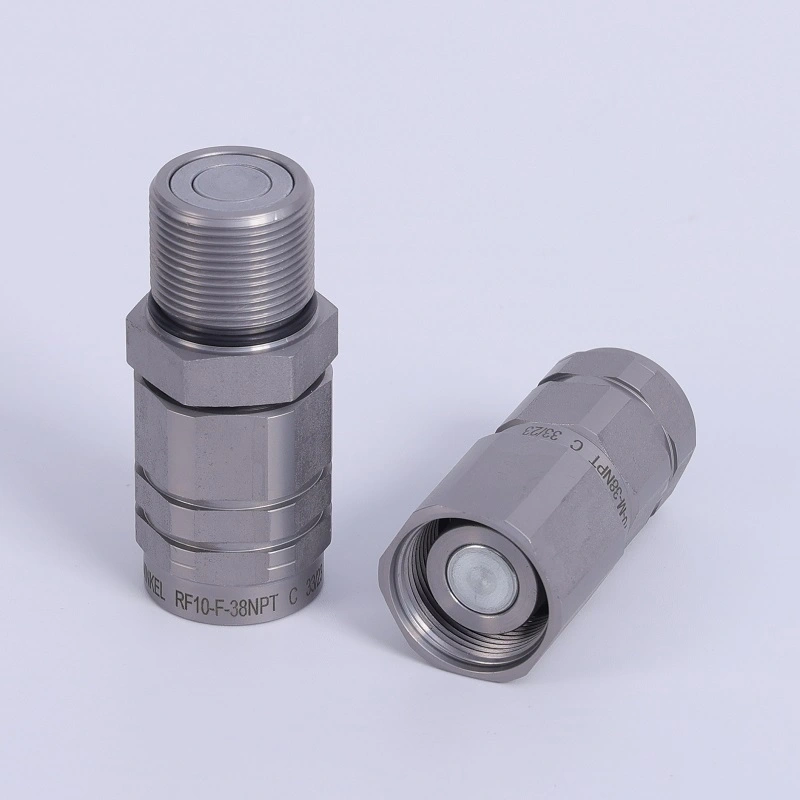
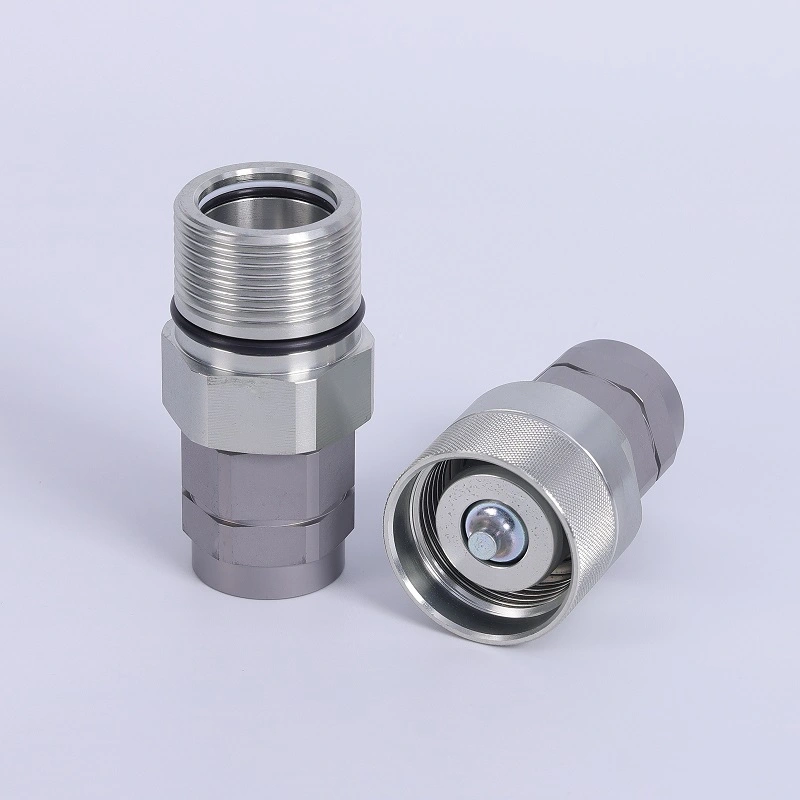
A hydraulic quick-connect coupling, as the name suggests, is a device that allows hydraulic lines to be quickly connected and disconnected. It typically consists of a male and female connector, internally housing a sophisticated one-way valve mechanism.
Its working principle is ingenious:
l During connection: The male and female connectors are aligned and inserted, the internal valve core is opened, the oil passage is opened, and the medium (hydraulic oil, emulsion, etc.) flows smoothly.
l During disconnection: The connector is pulled out, and the valve core automatically closes instantly under the action of the spring, firmly locking the oil in the pipeline, achieving zero leakage.
This design transforms the originally complex hydraulic pipeline connection into a simple "click" that can be completed with one hand.
Compared to traditional threaded connections, the value of hydraulic quick-connect couplings goes far beyond "convenience." It directly addresses the core pain points of cost reduction and efficiency improvement for enterprises:
1. Time is money: Efficiency improvement of over 80%
A traditional threaded connection may take 30 minutes, while quick-connect couplings can be inserted and removed in seconds. For excavators requiring frequent attachment changes, or hydraulic equipment on production lines requiring mold changes, this means downtime is minimized, significantly increasing equipment utilization.
2. Say Goodbye to "Oil Hell": Zero-Leakage Environmental Benefits
Traditional disassembly and assembly inevitably leads to oil leaks, polluting the environment and incurring high cleaning costs. The double-sealed valve core design of quick-connect couplings seals the oil circuit instantly upon disconnection. The savings in hydraulic oil and cleaning costs represent a significant long-term benefit.
3. Safety and Flexibility: Vibration Resistance and Mismatch Prevention
Modern quick-connect couplings employ a locking mechanism that effectively resists high-frequency vibrations during equipment operation, preventing accidental detachment. Furthermore, different interface specifications are often distinguished by color or shape, and the mismatch prevention design avoids system failures caused by incorrect insertion, ensuring the safety of equipment and personnel.
1. Construction Machinery (most typical): Excavators, using quick-connect couplings, can switch between bucket, breaker, and log grapple functions within minutes, achieving "one machine, multiple uses" and significantly improving return on assets.
2. Factory Automation: On equipment such as injection molding machines and presses, mold changeover time directly determines production capacity. Quick-connect couplings eliminate pipeline connections as a bottleneck.
3. Mining and Rescue: In harsh working conditions, rapid tool changes mean seizing more operational opportunities, especially crucial in time-sensitive rescue operations, where it's a lifeline.
4. Testing and Maintenance: Maintenance personnel can quickly isolate faulty modules and connect testing equipment, significantly reducing diagnostic and repair time.
The market offers numerous quick-connect coupling brands, varying greatly in quality. When choosing a hydraulic quick-connect coupling, we recommend focusing on the following points to avoid losing more than you gain:
1. Pressure Rating: It must match or slightly exceed the maximum working pressure of your system (commonly 35MPa, 70MPa, etc.).
2. Material and Seal: Choose carbon steel, stainless steel, or brass according to the operating conditions; the sealing material (such as NBR, FKM) must be compatible with your hydraulic medium (mineral oil, water glycol, etc.).
3. Type Matching: Choose a straight-through type (high flow rate), single-sealed, or double-sealed type (leakage prevention) according to your needs.
4. Brand and Lifespan: Choose branded products that have undergone lifespan testing (such as 100,000 insertions and removals). Although the unit price is slightly higher, the overall cost over the long term is lower.
Conclusion: Hydraulic quick-connect couplings may never be as conspicuous as the main equipment, but they are a key component in improving the flexibility and reliability of hydraulic systems. In today's world of rising labor costs and increasingly stringent environmental requirements, investing in such a small "efficiency tool" may be the most cost-effective step in optimizing your production processes.