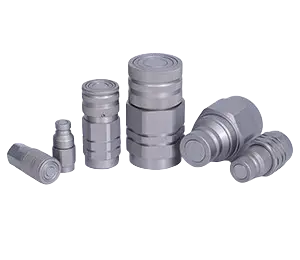
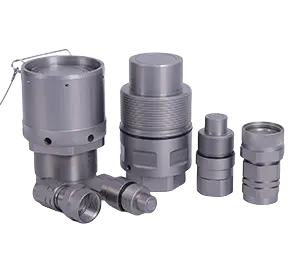
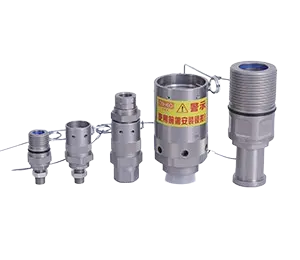
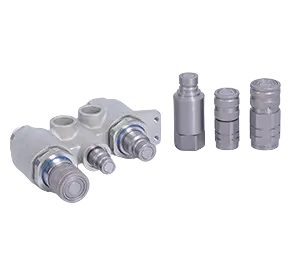
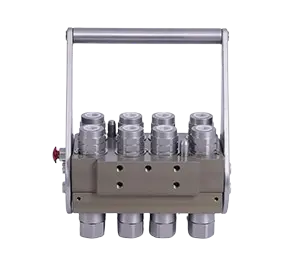
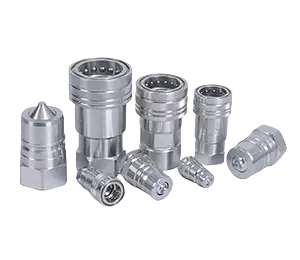
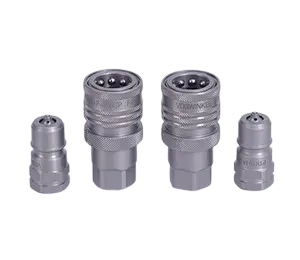
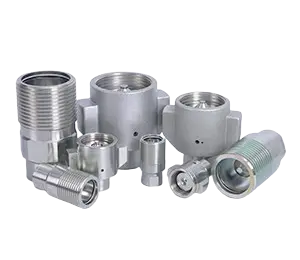
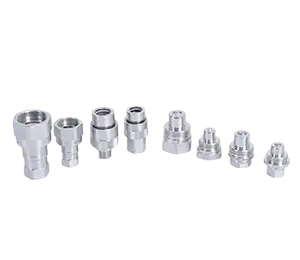
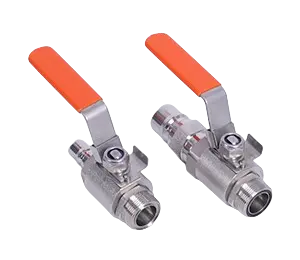
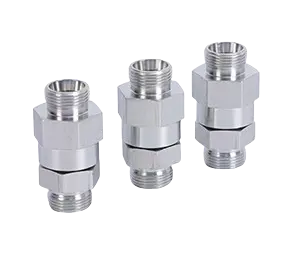
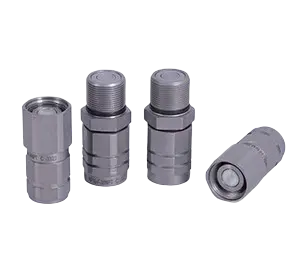
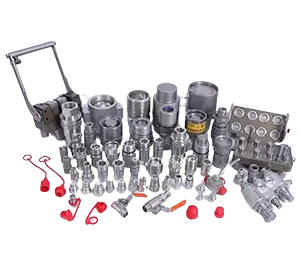
I. IntroductionIn modern hydraulic systems, quick couplings serve as the core components for connecting and disconnecting fluid lines. Their performance directly dictates the operational efficiency an...
I. Introduction: The Invisible Defense LineIn the harsh operating conditions of high pressure, high speed, and high frequency within hydraulic systems, even a single drop of leaked oil can signify saf...
In the complex hydraulic systems of construction machinery and industrial manufacturing, the rapid connection and stable transmission of multiple pipelines are core issues determining operational effi...
Hydraulic quick couplings are components used to connect or disconnect hydraulic lines. They are widely used in various hydraulic equipments thanks to their ease of operation and speed. This article w...
Installation Clean: Ensure both pipe ends and the coupling interior are free of dust, debris, and oil. Inspect: Verify dimensions and specifications match. Align: Insert the pipe fully to the required...
Design selection is guided by five key factors—STAMP: Size, Temperature, Application, Media, and Pressure.SizeChoose the coupling size according to system flow, installation envelope, and line dimens...
Traditional quick-connect couplings mainly rely on either ball-lock or threaded connections between the male and female halves. Ball-lock couplings are typically used in low-pressure, non-back-pressur...